
After more than six years of negotiations, trade ministers from 12 Pacific Rim countries have come to an agreement over the controversial Trans-Pacific Partnership (TPP) trade deal.
The deal, representing 40 percent of the global economy, will slash trade barriers and ensure a common set of standards are met among member countries Australia, Brunei, Canada, Chile, Japan, Malaysia, Mexico, New Zealand, Peru, Singapore, Vietnam and the US
Government and big business officials have praised the deal, however there has also been widespread opposition to the TPP, with trade unions and human rights activists concerned over the impacts it will have on local businesses and workers' rights.
Here are some of the crucial things you need to know about the TPP.
1) It Is Very Much a 'Political' Trade Deal
While global leaders have preached about the trade and investment opportunities that come with the TPP, there is also a very strong political element underpinning it.
The TPP has been central to US President Barack Obama's plans to counter China's economic power in Asia and assert the US' own influence in the region.
Government and big business officials have praised the deal, however there has also been widespread opposition to the TPP, with trade unions and human rights activists concerned over the impacts it will have on local businesses and workers' rights.
Here are some of the crucial things you need to know about the TPP.
1) It Is Very Much a 'Political' Trade Deal
While global leaders have preached about the trade and investment opportunities that come with the TPP, there is also a very strong political element underpinning it.
The TPP has been central to US President Barack Obama's plans to counter China's economic power in Asia and assert the US' own influence in the region.
China isn't included in the deal, while it's interesting to note that none of the other BRICS countries — Brazil, Russia, India, South Africa — are included in discussions for any of the major US-led trade deals currently being negotiated.
2) TPP Is an Open Agreement
The trade ministers of 12 countries have agreed upon the deal, however there is room for more to join in the future — possibly even China.
While the TPP was initially thought to be an American weapon to contain China in its own backyard, it is thought that many within the US business community would support Beijing's inclusion in the deal in the future, as it would grant multinationals access to China's huge market.
Along with China, there are a number of other interested parties watching on, with South Korea, Taiwan, the Philippines and even Columbia thought be among those keen on jumping into the deal in the future.
3) It's Only One Piece of the Puzzle
Despite covering 40 percent of the global economy, the TPP is merely one piece of the puzzle for US officials, who are negotiating a number of trade deals around the world.
On top of the TPP, the US are involved in discussions over the Transatlantic Trade and Investment partnership (TTIP) between Washington and EU member states, and the Trade in Services Agreement (TISA), also being negotiated between the US, EU and Pacific Rim countries.
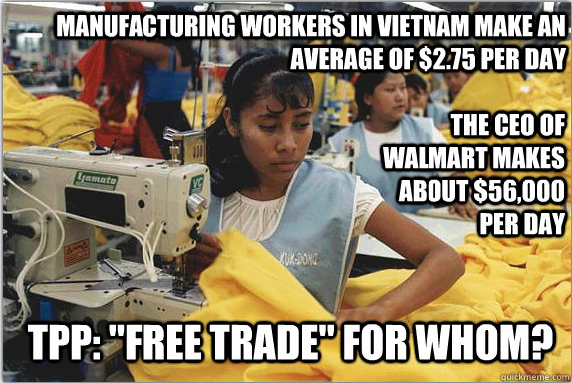 Critics fear that if the TPP, TTIP and TISA are successfully negotiated, the agreements will link up and effectively wash away workers' rights and undermine government sovereignty across the majority of the world economy.
4) There Is a LOT of Opposition to It
Despite the assertions of government officials that the TPP will bring more harm than good, there has been huge public opposition towards the deal, which critics argue will hand multinational corporations unprecedented power over governments and leave workers powerless.
Just like the public protests against TTIP in Europe, there have been countless demonstrations and online petitions in TPP member countries like the US, Australia, New Zealand and Canada, calling for the deal to be scrapped.
Central to the criticism was the secrecy and lack of transparency during negotiations, leaving many citizens concerned as to what impacts the deal would actually have for them, while there are huge fears that labor and environmental standards will be reduced in many countries.
The opposition hasn't just been restricted to grassroots activists either, with Canada's New Democratic Party saying they would back out of any TPP deal signed by the Canadian government, if they get into power later this year.
5) There Is a Lot of Fine Print
The TPP might sound like a nice, neat, uniform trade deal between 12 countries with universal rules — however, in reality it isn't, with the agreement held together by a series of side deals and intricate arrangements to suit each individual country.
The deal is the first ever bilateral trade agreement between the US and Japan, and as a result the countries have negotiated separate deals on almost everything — from cars, to beef and rice.
There was also concern from New Zealand's dairy industry, with officials looking for greater access to the US market if they were to put pen to paper.
6) It Covers Just About Everything
Like many trade deals, the TPP is a far-reaching, broad agreement that encompasses just about all aspects of the member countries’ economies.
As mentioned, the deal will affect agricultural and produce industries like meat and rice production; the manufacturing of items such as cars, and will even extend to medicines. However, it is not yet known what services may be included or excluded from the deal.
7) It Opens a Pandora's Box
Rather than delivering answers about certain unclear aspects of the deal, the TPP is more than likely to raise more questions.

Confusions over the various side deals are sure to raise their heads, while major concerns exist over the ability for multinational corporations to sue governments as part of the Investor State Dispute Settlement (ISDS) provisions embedded in the deal.
There has been widespread criticism of such measures, which activists fear could allow big business to undermine the sovereignty of governments by suing them if they introduce legislation deemed to impede investment opportunities.
8) It's Not a Done Deal Yet
While the trade ministers of the 12 participating nations have agreed upon the deal, there are still a few hurdles to go through for it to become binding.
RTVerified account @RT_com
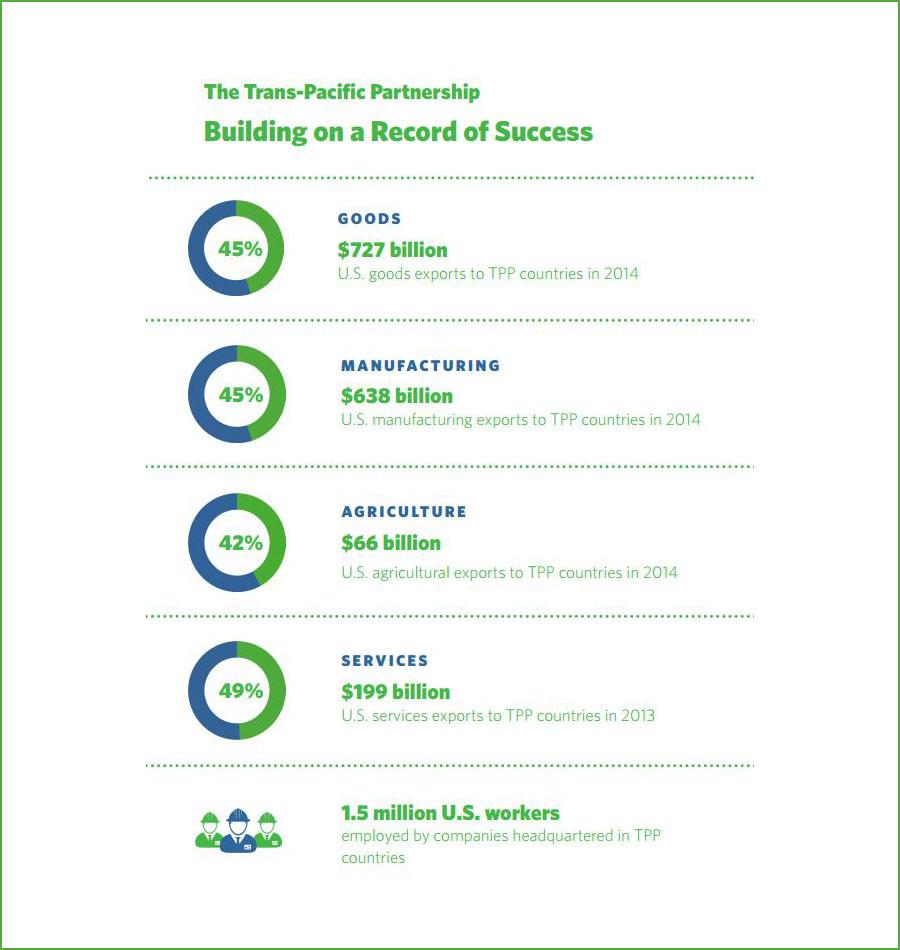
2) TPP Is an Open Agreement
The trade ministers of 12 countries have agreed upon the deal, however there is room for more to join in the future — possibly even China.

While the TPP was initially thought to be an American weapon to contain China in its own backyard, it is thought that many within the US business community would support Beijing's inclusion in the deal in the future, as it would grant multinationals access to China's huge market.
Along with China, there are a number of other interested parties watching on, with South Korea, Taiwan, the Philippines and even Columbia thought be among those keen on jumping into the deal in the future.
3) It's Only One Piece of the Puzzle
Despite covering 40 percent of the global economy, the TPP is merely one piece of the puzzle for US officials, who are negotiating a number of trade deals around the world.
On top of the TPP, the US are involved in discussions over the Transatlantic Trade and Investment partnership (TTIP) between Washington and EU member states, and the Trade in Services Agreement (TISA), also being negotiated between the US, EU and Pacific Rim countries.
Who benefits from “free trade?” Workers? Nope! Multinational corps? Ding, ding ding! http://www.citizen.org/TPP #StopTPP pic.twitter.com/MOYPiFducr
4) There Is a LOT of Opposition to It
Despite the assertions of government officials that the TPP will bring more harm than good, there has been huge public opposition towards the deal, which critics argue will hand multinational corporations unprecedented power over governments and leave workers powerless.
Just like the public protests against TTIP in Europe, there have been countless demonstrations and online petitions in TPP member countries like the US, Australia, New Zealand and Canada, calling for the deal to be scrapped.
Central to the criticism was the secrecy and lack of transparency during negotiations, leaving many citizens concerned as to what impacts the deal would actually have for them, while there are huge fears that labor and environmental standards will be reduced in many countries.
The opposition hasn't just been restricted to grassroots activists either, with Canada's New Democratic Party saying they would back out of any TPP deal signed by the Canadian government, if they get into power later this year.
5) There Is a Lot of Fine Print
The TPP might sound like a nice, neat, uniform trade deal between 12 countries with universal rules — however, in reality it isn't, with the agreement held together by a series of side deals and intricate arrangements to suit each individual country.
The Japan NewsVerified account @The_Japan_News
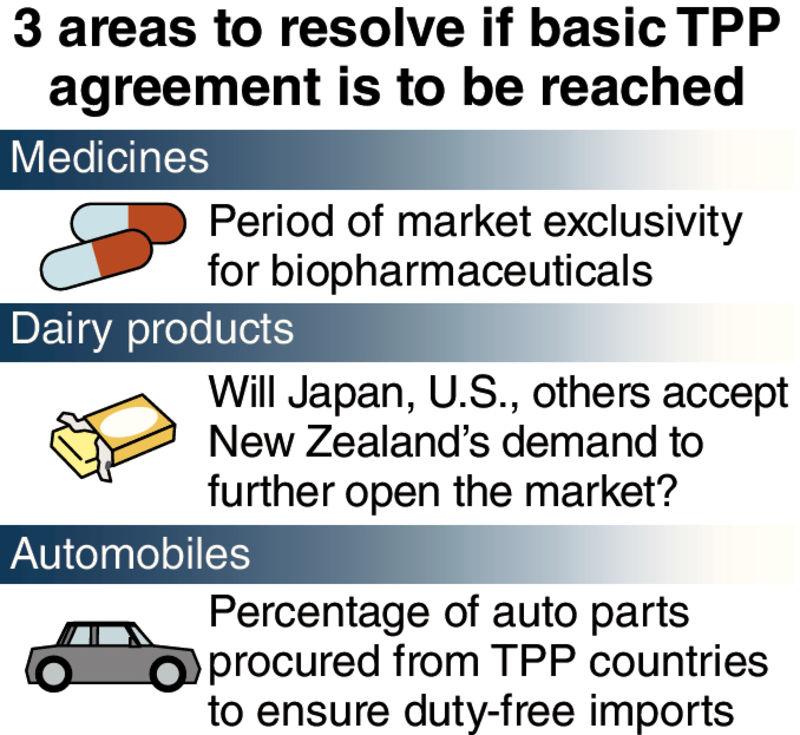
TPP talks enter final extension / Bio-drugs field still sticking point - The Japan News http://the-japan-news.com/news/article/0002469489 … pic.twitter.com/JLZGVQvZCW
There was also concern from New Zealand's dairy industry, with officials looking for greater access to the US market if they were to put pen to paper.
6) It Covers Just About Everything
Like many trade deals, the TPP is a far-reaching, broad agreement that encompasses just about all aspects of the member countries’ economies.
As mentioned, the deal will affect agricultural and produce industries like meat and rice production; the manufacturing of items such as cars, and will even extend to medicines. However, it is not yet known what services may be included or excluded from the deal.
7) It Opens a Pandora's Box
Rather than delivering answers about certain unclear aspects of the deal, the TPP is more than likely to raise more questions.
Confusions over the various side deals are sure to raise their heads, while major concerns exist over the ability for multinational corporations to sue governments as part of the Investor State Dispute Settlement (ISDS) provisions embedded in the deal.
There has been widespread criticism of such measures, which activists fear could allow big business to undermine the sovereignty of governments by suing them if they introduce legislation deemed to impede investment opportunities.
8) It's Not a Done Deal Yet
While the trade ministers of the 12 participating nations have agreed upon the deal, there are still a few hurdles to go through for it to become binding.
RTVerified account
DETAILS: 12 countries strike #TPP Pacific Rim trade accord http://on.rt.com/6t49 pic.twitter.com/29MtQeh5xF
Along with the criticism in Canada, there has also been considerable opposition in the US Congress and in other nations, with activists vowing not to give up the fight on breaking down the deal.
Now that the finer details of the agreement will be released to the pubic, it will allow activists to mount a challenge and oppose any aspects of the TPP they believe to be unjust.
0 comments:
Post a Comment