16 Startling Truths
Monday, August 15, 2016 11:27

Exclusive for Before It’s News
The world is not being told the truth about the Louisiana flood in progress right now. The coverup is tragically as deadly as during the aftermath of Hurricane Katrina, when similar desperate calls for help fell on deaf ears and aid was blocked. The following facts regarding the August 2016 Louisiana Flood, as of August 15, demonstrate the environmental and humanitarian crisis as well as the chaos and needless suffering due to the ongoing government and media “run around,” as one Louisiana man called it Monday morning.
1. Six deaths have been confirmed in the devastation, yet an utold number of others are unaccounted.
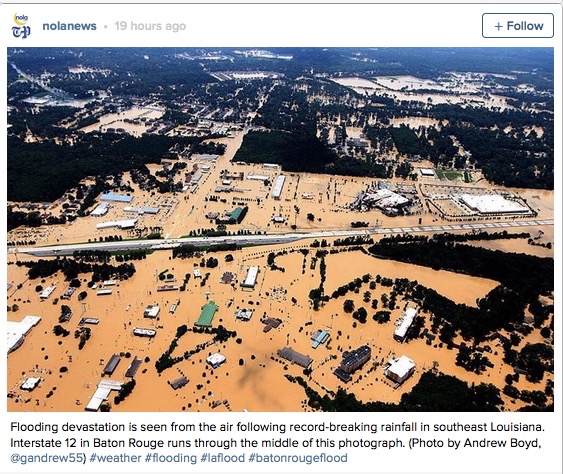
2. Approximately 18,000 people have been rescued, yet not one media source has reported the hundreds if not thousands others who remain stranded and unaccounted – with no water, no food and no shelter. [READ: Apocalyptic Louisiana Flooding Updates: Hurricane Katrina-Type Stranded Desperation Sets In]
Finding accurate information on displaced loved ones is as problematic for some people as it was during Hurricane Katrina aftermath. These problems have increased since the day the American Red Cross became an official partner with the notorious government agency FEMA.

(Credit: Louisiana Flood Rescue. Facebook)
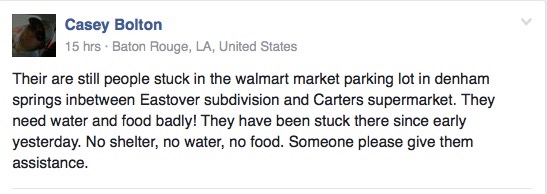
3. Over 10,000 people have been displaced with 5,050 people staying in parish and Red Cross shelters, “even more” staying in private shelters, such as churches, but the latter number is still unreported.
4. Over 1000 National Guardsmen are among government resources deployed for search and rescue operations.
5. Fresh floods are possible because several rivers are still rising.
6. Over one-quarter of the state of Louisiana has been flooded since last week.
7. Over 24 inches of rain fell between Aug. 11 and 13 — more rain than Los Angeles has seen in 3+ Years.
8. More than six rivers set record highs, exceeding previous records by several feet in some cases, with some still rising and threatening thousands more homes and people.
9. The federal government has declared a major disaster in the state, specifically in the hardest hit following four parishes: Tangipahoa, St. Helena, East Baton Rouge and Livingston.
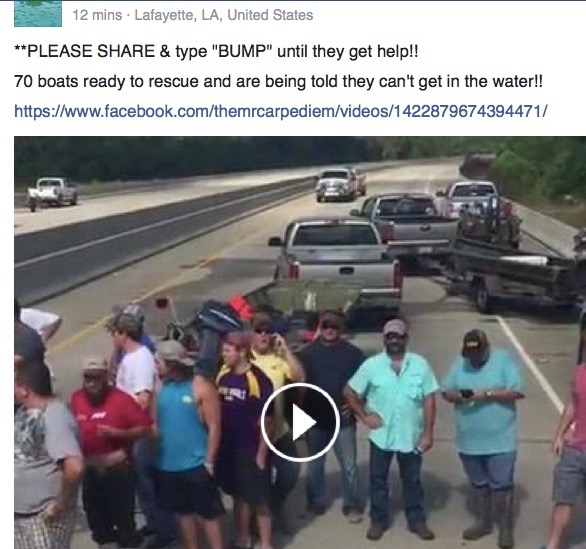
10. Some 70 boats owned by good Samaritans volunteering them and their services were denied access to water Monday morning to rescue people who have been stranded for days, some with serous medical needs.
.jpg)

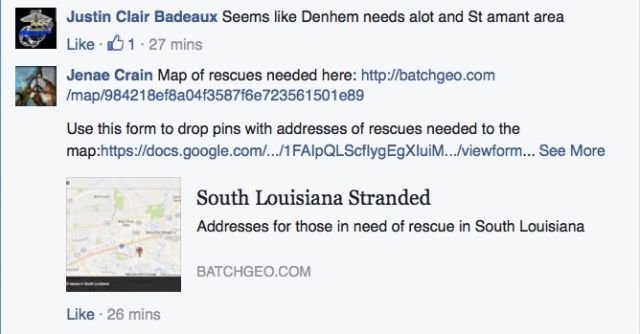
All that type of organizing to save people and this is what they encountered: government officials blocking them from taking their boats into the water:
11. Refinery accidents often happen during severe weather, with flood waters causing the most damage, overflowing treatment tanks, sending oil and toxic chemicals into nearby canals and neighborhoods. The worst, most deadly damage from Hurricane Katrina was from flooded oil refineries. Media has kept a tight lid on refinery incidents throughout this event. The petrochemical industry continues to lack transparency and accountability around emergency preparedness in a region that is tested time and again by catastrophic events. (See: Anna Hrybyk, Louisiana Bucket Brigade program manager commentary on the present Louisiana flood.)
12. This event was similar to an inland tropical depression in that moisture content in the atmosphere was higher than observed there during some tropical cyclones, according to the US Weather Service.
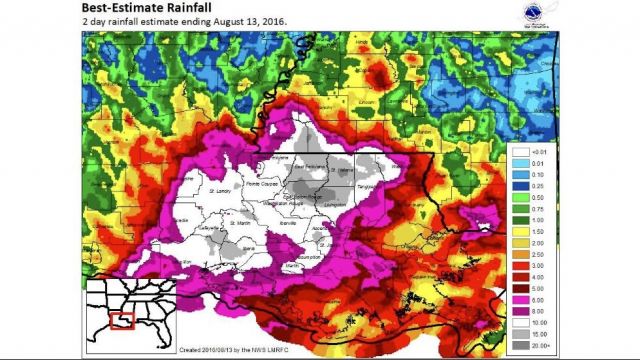
13. This is the second time in less than five months that Louisiana has had over 24 inches of rain from a single event. [See March article: Watch Louisiana Apocalyptic Flooding]
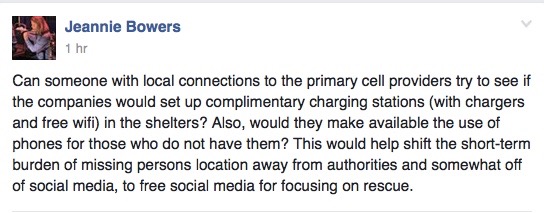
14. This event event is America’s latest 500-Year rainstorm that experts are calling a “classic signal of climate change”: extreme precipitation occurring more frequently as the planet warms scientists, yet still, search and rescue teams, equipment and provisions such as emergency telephone and wi-fi access for displaced persons are woefully inadequate, as Jeannie Bowers tries to resolve in her post (below) on the Louisiana Flood Lost and Found page. (Why has this not already been done?)
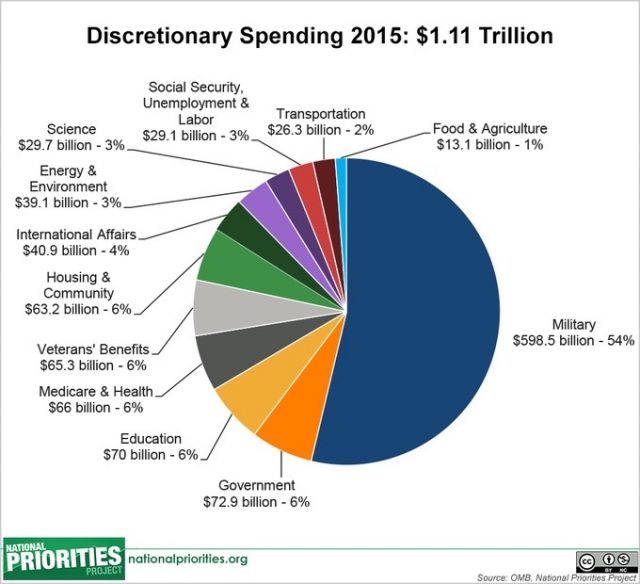
15. Despite the U.S. military budget in 2015 of a total of $598.5 billion, 54% of the nation’s federal discretionary spending, it supplied only 150 high water vehicles to use as of Sunday night, along with 35 watercraft, resulting in rescues, such as in cars with waters quickly rising, taking up to 30 hours in some cases and an untold number of medical emergency cases unattended. [See: National Priorities]
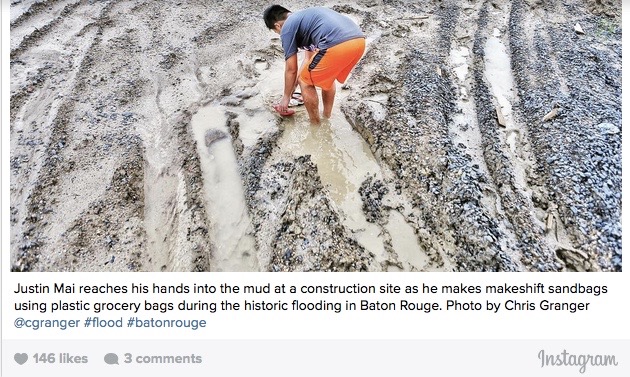
16. Few Americans are well enough prepared for pending environmental disasters. The boy in the photo below is not in a developing country. He is in Baton Rouge, Louisiana, United States of America.
(Feature photo credit: US Weather Service)
Related Articles by Deborah Dupré
0 comments:
Post a Comment