CLICK HERE FOR THOUSANDS OF FREE BLOGGER TEMPLATES »
Showing posts with label Cholesterol. Show all posts

Saturday, October 26, 2024

The Dangers of Statins


The Dangers of Statins


One of the biggest misconceptions is that cholesterol causes heart disease and that statins, which lower cholesterol, prevent it. Not only is this untrue, but the highly profitable statins are also among the most harmful pharmaceuticals available (and share many eerie parallels to the COVID vaccines)

Despite growing evidence that lowering cholesterol does not reduce heart disease, the medical industry continues to push statins. Studies have shown that the benefits of statins are minimal, with data manipulated to exaggerate their effectiveness

Statins are aggressively promoted, not because of their efficacy, but due to financial interests in the pharmaceutical industry. Guidelines on cholesterol and statins are often created by experts who have conflicts of interest. Many doctors and patients are penalized for not adhering to these guidelines

Statins cause significant harm, with side effects like muscle pain, cognitive issues, and even life-threatening conditions such as diabetes and liver dysfunction. Despite widespread patient reports of these injuries, the medical community often dismisses them, attributing them to a “nocebo effect” or imagining the problem

*

The more I study science, and particularly medicine, the more I come to see how often fundamental facts end up being changed so that a profitable industry can be created. Recently I showed how this happened with blood pressure, as rather than causing arterial damage, high blood pressure is a response to arterial damage that ensures damaged arteries can still bring blood to the tissues and, in turn, rather than helping patients, aggressively lowering blood pressure can be quite harmful.

In this article, I will look at the other half of the coin, the Great Cholesterol Scam — something that harms so many Americans it was recently discussed by Comedian Jimmy Dore.

Source & read more


Sunday, November 3, 2019

Heart disease myths, statins, Alzheimers, cholesterol

A Brasscheck interview

Dr. Stephanie Seneff

Video 

Heart disease myths, statins, Alzheimers, cholesterol
Disclaimer: If you have a medical problem, go to a medical doctor.
This information is for informational purposes only.
Click here to support Brasscheck

THE BRASSCHECK/REAL FOOD READING LIST

We recommend these books as a foundation for educating yourself about health in the 21st Century.
www.brasscheck.com/video/the-brasscheck-real-food-reading-list/


Blogger's note:  subterrnews.blogspot.com does not send cookies, or collect any information on those using the blog.  However, the blogspot is on google, and google may collect information, and send cookies.  Many of the links that  we connect to do not send out cookies or collect information, but some do.  Your keying in to this blog you have agreed to this.
The views expressed in the articles do not necessarily represent the opinions of this blog.  They are the views, and opinions of the author(s) of the article.


Friday, June 17, 2016

Big Pharma suffers another major blow

as study debunks high cholesterol myths, admitting statins are totally worthless

Monday, February 22, 2016

Nutrient Herb Controls Blood Sugar, Cholesterol and Free Radicals


153175984_XS
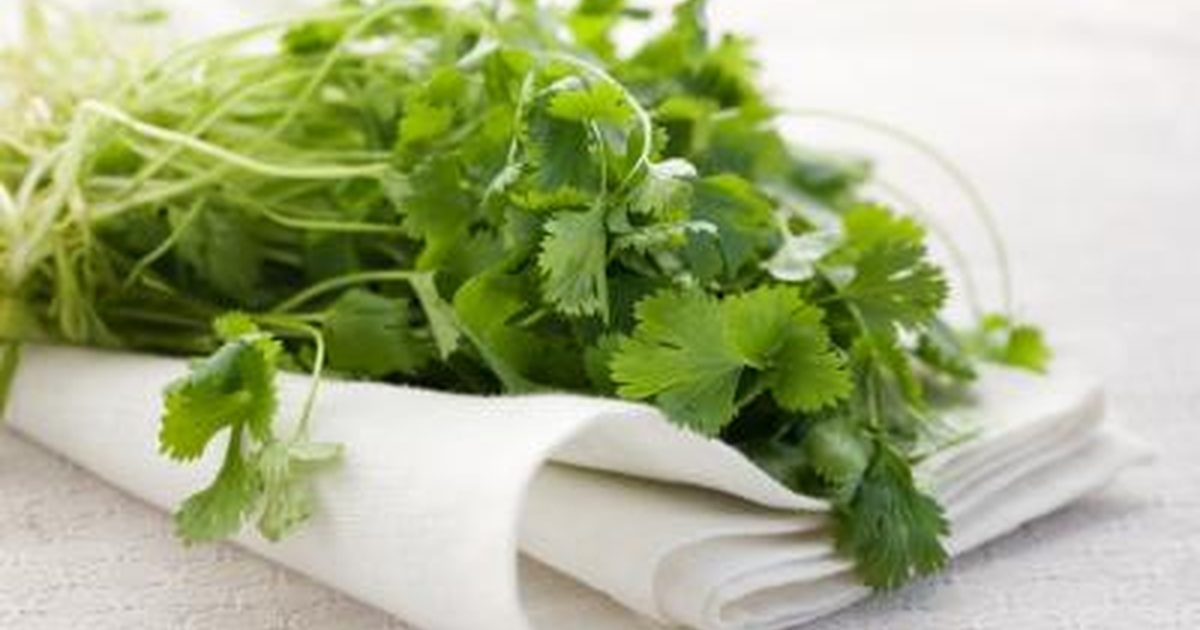
Coriander (Coriandrum sativum), commonly known as Cilantro or Dhania, is a powerful herb with many health benefits. This plant is rich in micronutrients and nutritional elements.
Various compounds in cilantro give it its distinct scent, which plays a large role in how foods taste. In addition to pleasant aromatic factors (described by some as fresh, grassy, and citrusy), there are aldehyde chemicals, the same as found in soap. People who hate cilantro may detect the unpleasant soapy compounds more than the pleasant ones, or perhaps only the soapy ones. Research in identical twins suggests there may be a genetic basis for this.
Studies have shown that coriander seed extracts were able to decrease the plasma glucose, improve insulin sensitivity and improved the serum lipid levelss. When coriander was added to the diet of diabetic mice, it helped stimulate their secretion of insulin and lowered their blood sugar. When given to rats, coriander reduced the amount of damaged fats (lipid peroxides) in their cell membranes. And when given to rats fed a high-fat, high-cholesterol diet, coriander lowered levels of total and LDL (the “bad” cholesterol), while actually increasing levels of HDL (the “good” cholesterol). Research also suggests that the volatile oils found in the leaves of the coriander plant, commonly known as cilantro, may have antimicrobial properties.
 
In a human study, reported in Plant Foods For Human Nutrition, researchers observed that coriander (seeds) had a significant hypolipidaemic effect, resulting in lowering of levels of total cholesterol and triglycerides, and increasing levels of high-density lipoprotein. This effect appeared to be caused by increasing synthesis of bile by the liver and increasing the breakdown of cholesterol into other compounds.

A Phytonutrient-Dense Herb

Many of the above healing properties of coriander can be attributed to its exceptional phytonutrient content. Coriander’s volatile oil is rich in beneficial phytonutrients, including carvone, geraniol, limonene, borneol,camphor, elemol, and linalool. Coriander’s flavonoids include quercitin,kaempferol, rhamnetin, and epigenin. Plus, coridander contains active phenolic acid compounds, including caffeic and chlorogenic acid.
Recent studies have shown that coriander can be successfully used in treating anxiety, depression and panic attacks due to its anxiolytic and sedative effects. This plant contains linalol, an essential oil that can help detoxify the liver and increase the appetite. Coriander also has blood thinning proprieties. Its seeds can be used to prepare medical teas to treat indigestion.
The antimicrobial substances in coriander help prevent and cure small pox. Because of its heating and analgesic effect, this plant is used to treat pain in bones and rheumatism. The high content of bioflavonoids from the leaves helps in treating varices and hemorrhoids. People concerned with heart health may benefit from using coriander because this herbal remedy reduces hypertension by lowering blood pressure. Coriander not only freshens breath, but it can help cure ulcers and sores in the mouth. It also reduces the accumulation of heavy metals in the body, which helps in preventing Alzheimer’s disease and memory loss. Researchers indicated that this plant may have sedative and muscle relaxant effects. One of the most notable proprieties of this plant is related to its ability to fight against Salmonella, a bacterium that can trigger potentially life-threatening food poisoning.

Best Paleo Cookbook for Beginners (Ad)

Cilantro Nutrition Facts

Cilantro is rich in phytonutrients, flavonoids, and phenolic compounds.
Vitamin A: 270 IU
Vitamin K: 12.4 mcg
Folate: 2.5 mcg
Potassium: 20.8 mg
Cilantro is very low in saturated fat and cholesterol, and the caloric value is nearly nonexistent. It is a good source of dietary fiber, vitamins A, C, E, K, calcium, iron, potassium, and magnesium. Just a 1/4 cup of fresh cilantro provides 270 IU of Vitamin A, and 16% of the daily value recommended of vitamin K.
JUICE RECIPE:
– 1 cucumber
– 2 ribs of celery
– 2 green apples
– A handful of cilantro
– 1 lime
Fresh coriander (or cilantro) leaves should look vibrantly fresh and be deep green in color. They should be firm, crisp and free from yellow or brown spots.
Whenever possible, buy whole coriander seeds instead of coriander powder since the latter loses its flavor more quickly, and coriander seeds can be easily ground with a mortar and pestle.
Even through dried herbs and spices are widely available in supermarkets, explore the local spice stores or ethnic markets in your area. Oftentimes, these stores feature an expansive selection of dried herbs and spices that are of superior quality and freshness compared to those offered in regular markets. Just like with other dried spices, try to select organically grown dried coriander since this will give you more assurance that it has not been irradiated.
Coriander seeds and coriander powder should be kept in an opaque, tightly sealed glass container in a cool, dark and dry place. Ground coriander will keep for about four to six months, while the whole seeds will stay fresh for about one year.